If you read nothing else
- Every other land mammal in Iceland was brought by people.
- At the end of the last glaciation, when the ocean was still bridged.
- White and blue, and the blue one dominates on this coast.
- Especially Hornstrandir, abandoned by people and protected since 1975.
The only one that got here by itself
Iceland has a very short list of land mammals, and every animal on it except one arrived in a boat. Sheep, cattle, horses, pigs, goats, dogs, cats and mice all came with the settlers. Reindeer were introduced in the eighteenth century. Mink escaped from fur farms in the twentieth.
The arctic fox was here first. It was living on the island when the first people stepped ashore, and it is the only terrestrial mammal that reached Iceland without human help.
How it managed a nine-hundred-kilometre stretch of North Atlantic is a fair question. The most likely answer is that it did not have to swim it. During and immediately after the last glaciation the sea ice reached much further south, and arctic foxes are known to travel enormous distances across it. An animal that can cross a frozen ocean does not need a land bridge.
Which also means it has been here for the whole of Icelandic history and then some. Whatever the first settlers found when they landed, a fox was already watching them do it.
White and blue
Arctic foxes come in two colour forms, and both are here.
The white form is the one everybody pictures: pure white in winter, brown and grey in summer, camouflaged against snow for half the year and against tundra for the other half. It suits an animal living inland where snow lies for months.
The blue form is not blue in any ordinary sense. It is a dark charcoal or chocolate colour that stays dark all year and does not turn white in winter at all. It suits a coast: dark rocks, seaweed, shoreline and open water rather than snowfield.
In most of the arctic range the white form dominates heavily. In Iceland it is the other way round, and the blue form is the common one. That is a direct consequence of the way foxes live here, which is largely along the shore.
Both forms occur in the same litter, and the colour is inherited rather than seasonal. A blue cub does not grow into a white adult.
A wader working the seaweed at the shoreline
What they actually eat
This is where the Icelandic fox differs from the textbook picture. Across most of its range, the arctic fox depends heavily on lemmings, and its population rises and crashes with theirs.
Iceland has no lemmings, and no small rodents at all except the mice and rats that came with people. So the fox here does something else: it works the coast.
The diet is seabirds and their eggs, chicks fallen from cliff ledges, carrion washed up on the tide, invertebrates in the seaweed, and whatever the sea provides. Coastal territories are held year-round and passed between generations, and the reason the blue form dominates is that a dark animal on a dark shore is the better-hidden one.
It also makes them tough, in the practical sense. A fox on this coast has a hard, unglamorous, all-weather living to make, and it makes it in exactly the places most people find unlivable.
Hornstrandir, the place people gave back
North of Ísafjörður is a peninsula called Hornstrandir, and it is the reason the Westfjords are associated with this animal.
People farmed and fished there for centuries in conditions that were difficult even by Westfjords standards, and the last permanent residents left in the middle of the twentieth century. In 1975 the whole peninsula was made a nature reserve.
There is no road into it, and there has never been one. Access is by boat in summer and on foot after that. Hunting is not permitted, and the foxes there have not been persecuted for two generations.
The result is a population that is unusually relaxed about people. Foxes on Hornstrandir will often carry on with what they are doing while somebody photographs them, which is not normal behaviour for a hunted animal anywhere else in the country.
Only one
Every other land mammal in Iceland arrived with people. The arctic fox was already here, and probably walked in across sea ice.
Seeing one, and where to learn about them
Honestly: not from the coach. Arctic foxes are shy in the inhabited fjords, largely nocturnal where people are around, and the odds of spotting one from a moving vehicle on a four-hour excursion are poor.
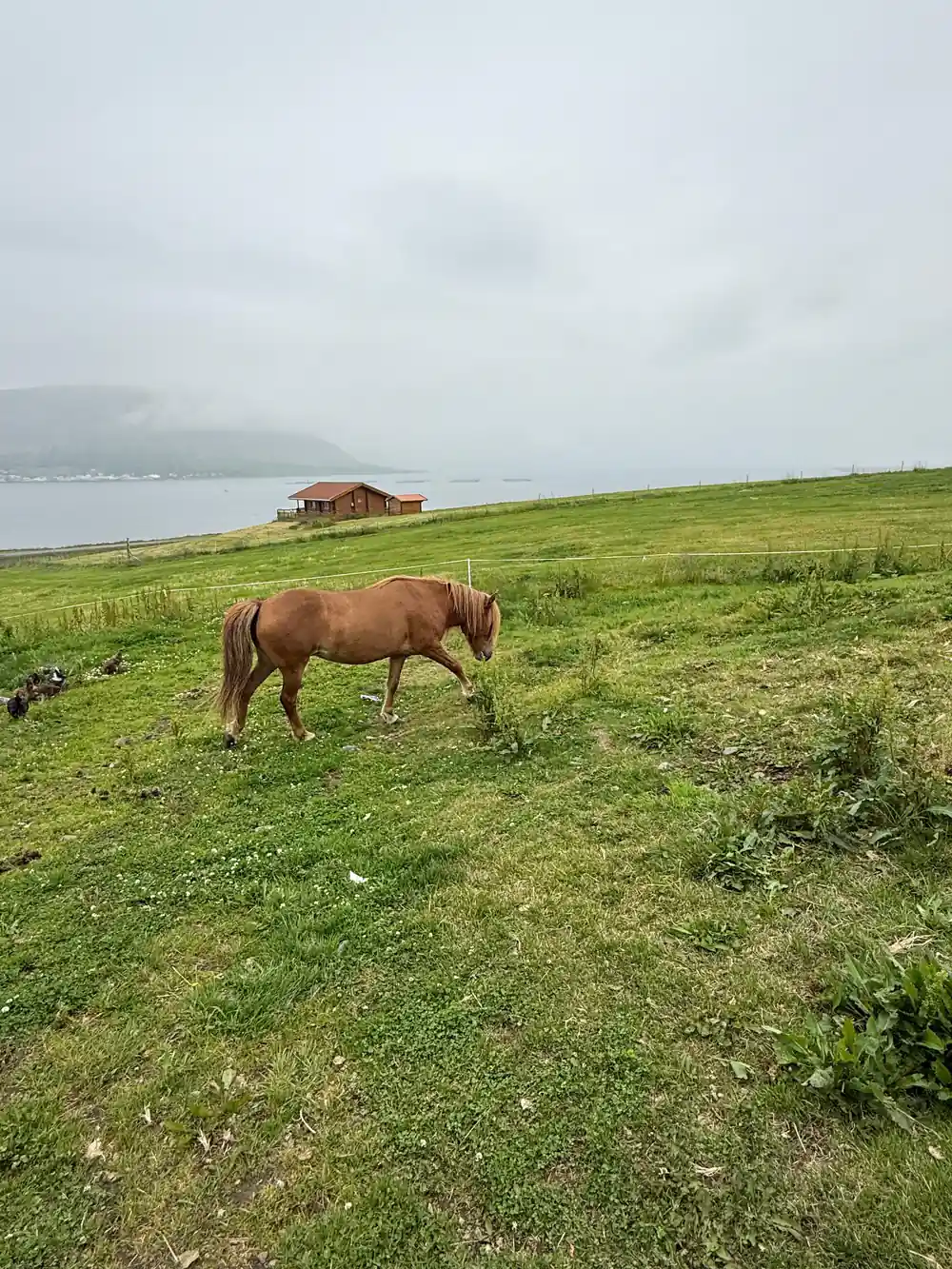
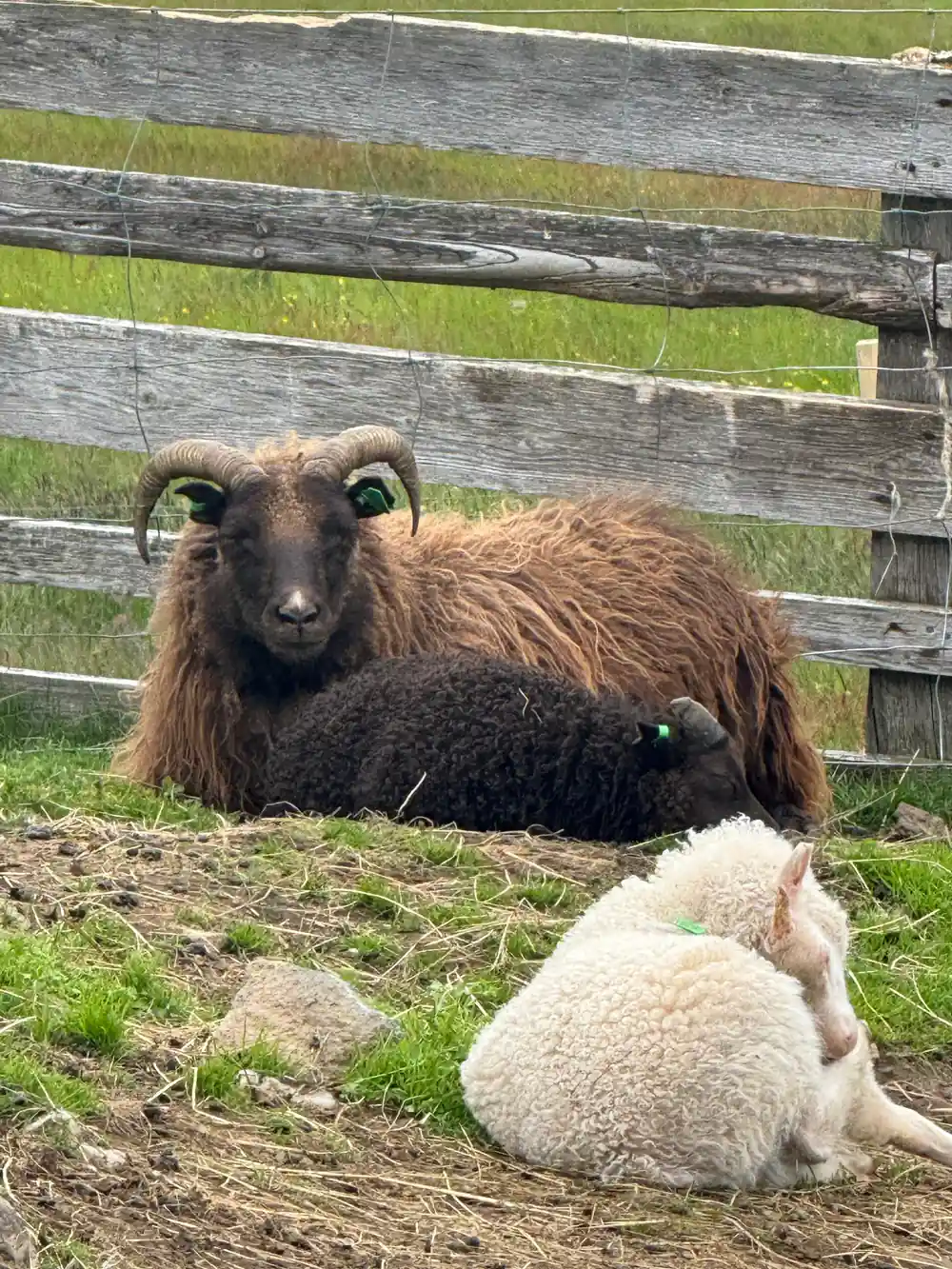
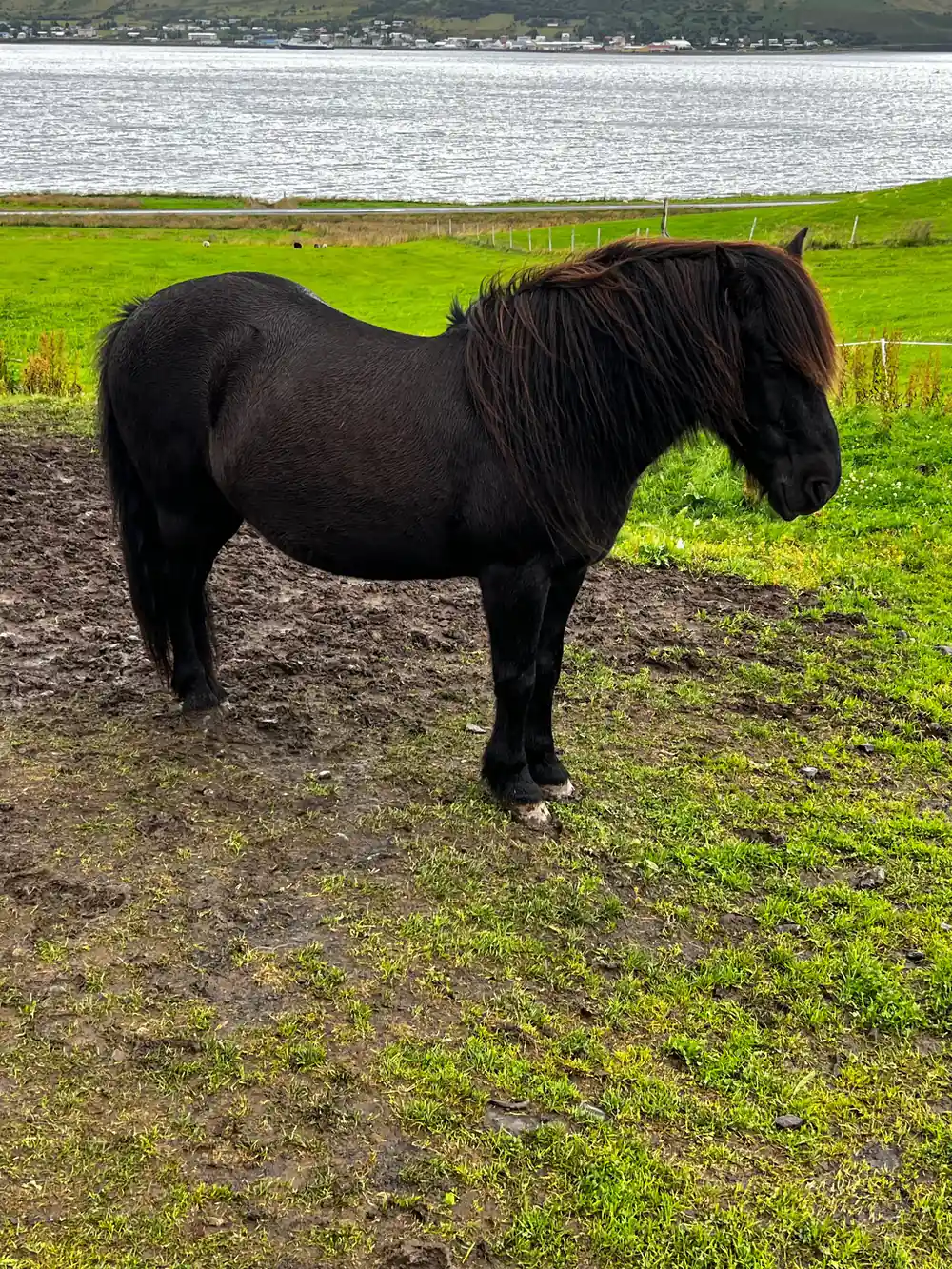
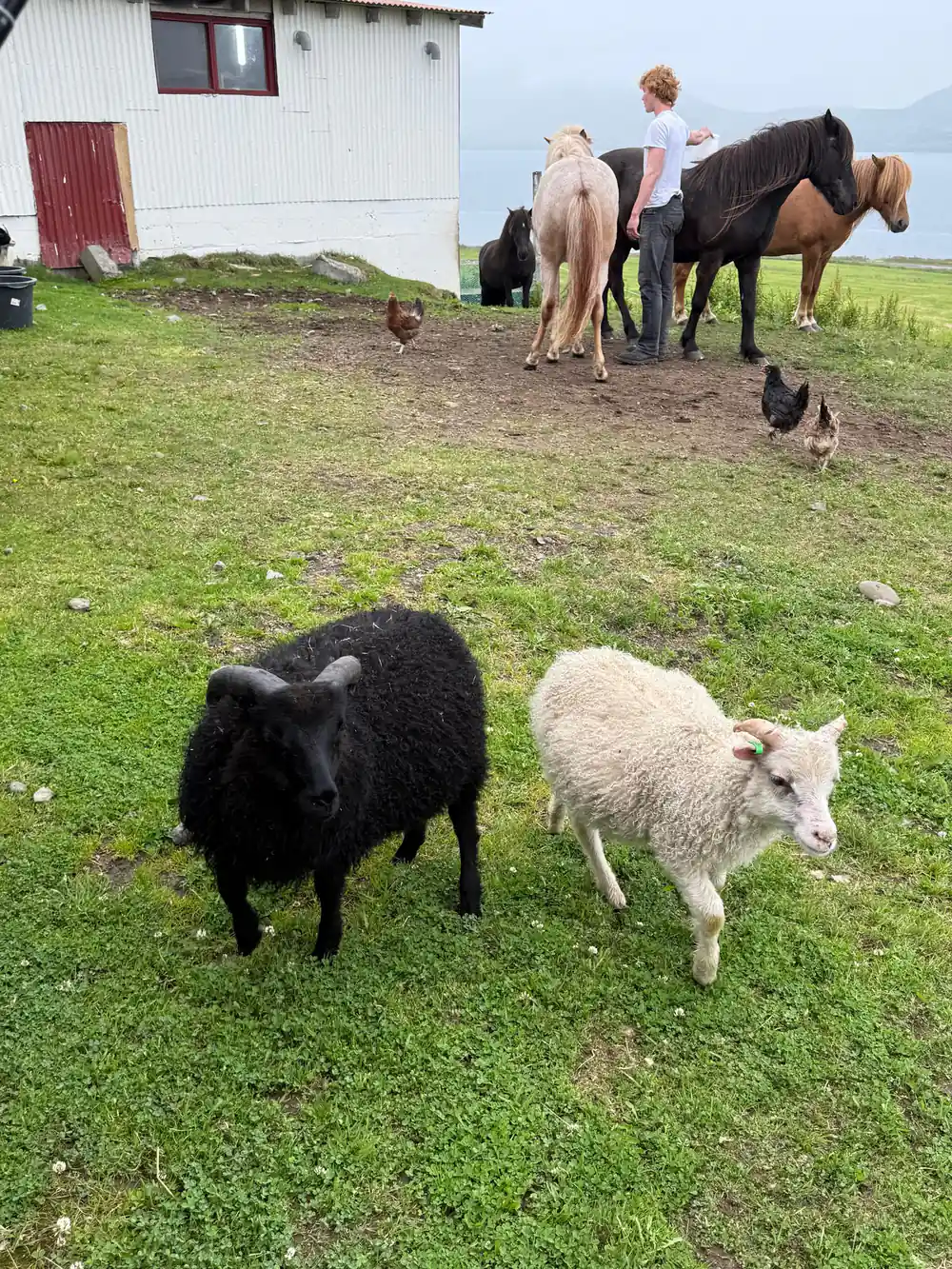
What you will see is everything else. Icelandic horses and sheep in every field, ravens over the road, oystercatchers and plovers on the shoreline, eider ducks on the water, and in the right months seabirds working the fjord.
For the fox itself there is a research centre and museum at Súðavík, a village on Ísafjarðardjúp not far from Ísafjörður, dedicated entirely to this one species. It is small, it is serious, and it is the place to go if the animal has caught your interest and you have time in port either side of the tour.
There is also a decent chance of a fox story from the guide, because everybody who lives out here has one. They come into gardens, they raid eider colonies, they turn up on the road at four in the morning, and opinions about them vary sharply depending on whether the person talking keeps sheep.
The animal that was here before anybody
from US$144Reserve now & pay later